 Zapisz
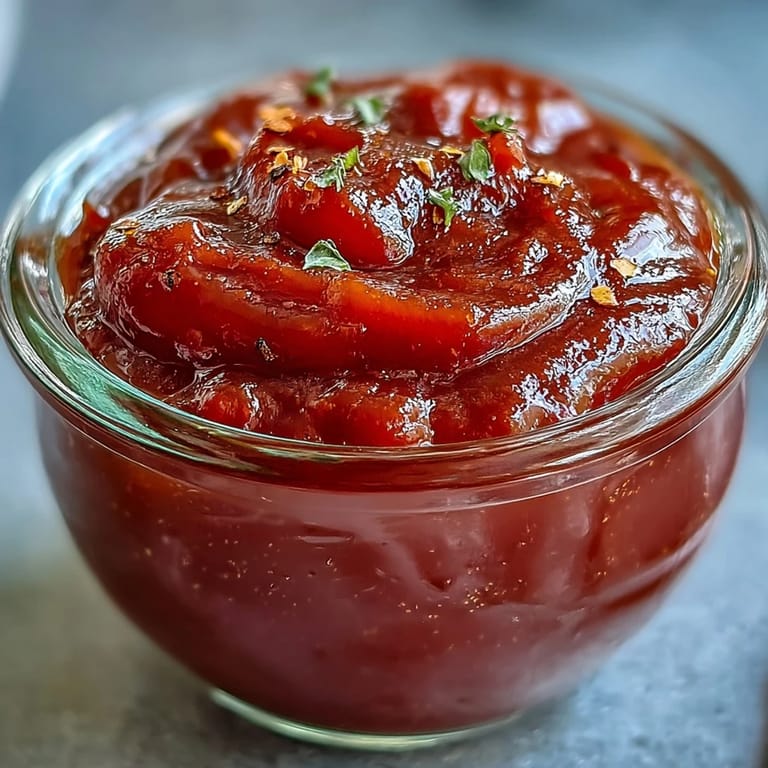
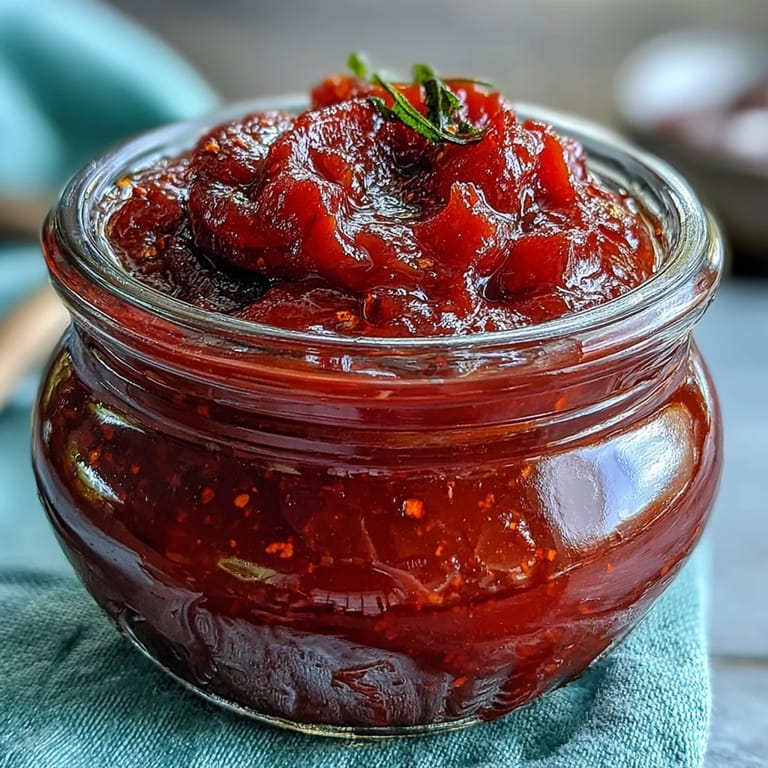
 My neighbor Marcus showed up one summer evening with a bag of fresh guavas from his tree, and I had no idea what to do with them except make jam. But then I thought: why not sauce? I spent that humid afternoon tinkering in the kitchen, layering in spices and vinegar until something magical happened—a sauce that tasted like a Caribbean beach party mixed with a smoky backyard grill. It wasn't ketchup-based, it wasn't trying to be, and somehow that made it feel like I'd discovered something nobody else had figured out yet.
I brought a jar to a Fourth of July cookout where someone's aunt had just arrived from Barbados, and she tasted it straight from the spoon and got quiet for a moment—the kind of quiet that means something landed right. She asked for the recipe, then asked again the next day. That's when I knew this wasn't just a happy accident in my kitchen; it was actually good enough to share.
Ingredients
- Guava paste: This is your foundation—it brings natural sweetness and that tropical fruit depth that makes people ask what your secret is. Buy it in the international aisle or Latin markets; it's usually affordable and lasts forever.
- Apple cider vinegar: The backbone that keeps this from being dessert, it cuts through richness with just enough tang to make the spices sing.
- Smoked paprika: Not regular paprika—smoked paprika adds that grill-worthy depth that makes people think you actually cooked this over charcoal.
- Onion and garlic: They soften into the background, building umami and preventing the sauce from tasting one-dimensional.
- Molasses and brown sugar: Together they create a glossy finish and round out the molasses note that BBQ sauce should have.
- Dijon mustard: Just enough to add sharpness and help the sauce cling to meat instead of sliding right off.
- Soy sauce or tamari: This is the ingredient that makes you go 'wait, what is that flavor?'—it deepens everything without announcing itself.
Tired of Takeout? 🥡
Get 10 meals you can make faster than delivery arrives. Seriously.
One email. No spam. Unsubscribe anytime.
Instructions
- Wake up your base:
- Heat olive oil and let your chopped onion soften until it turns translucent and smells sweet. Add minced garlic and let it bloom for exactly one minute—any longer and it can turn bitter, which ruins everything.
- Introduce the guava:
- Stir in guava paste, water, and vinegar, breaking up those chunks as they soften and start to dissolve into the liquid. You'll see the mixture turn a beautiful russet color almost immediately.
- Build the spice layer:
- Add all your dry spices at once—paprika, cumin, pepper, chili powder, allspice, cinnamon, salt, and red pepper flakes if you want heat. Stir constantly for about thirty seconds so they bloom in the oil and release their aroma.
- Add depth and balance:
- Brown sugar, molasses, Dijon mustard, and soy sauce go in together, creating a glossy mixture that looks almost like finished sauce already. Don't skip the stirring here—you want everything integrated.
- Let it simmer and thicken:
- Bring everything to a gentle simmer, then lower the heat and let it bubble softly for fifteen to twenty minutes, stirring every few minutes. You're waiting for it to darken slightly and thicken into something that coats the back of a spoon.
- Blend to silky:
- An immersion blender creates the smoothest texture—just pulse it a few times until you can't see any chunks. If you're using a regular blender, let the sauce cool slightly first and work in batches so it doesn't erupt all over you.
- Taste and adjust:
- Add a pinch more salt if it tastes flat, a splash of vinegar if it's too sweet, or a dash of hot sauce if you want more heat. Trust your instincts here because your palate knows your grill better than any recipe can.
 Zapisz
 My brother used this sauce on grilled tofu at a vegetarian potluck, and three people came back asking if the protein was actually meat. It was one of those moments where a sauce stopped being an afterthought and became the reason people came back for seconds.
When to Use This Sauce
Brush it on chicken in the last five minutes of grilling so it caramelizes without burning. Stir it into pulled pork about halfway through cooking, then brush more on when you plate it. Use it as a dipping sauce for grilled vegetable skewers or crispy tofu, where every piece gets coated and the flavors land clearly. It's also quietly perfect on burgers, where it adds something different without trying too hard.
Storage and Keeping
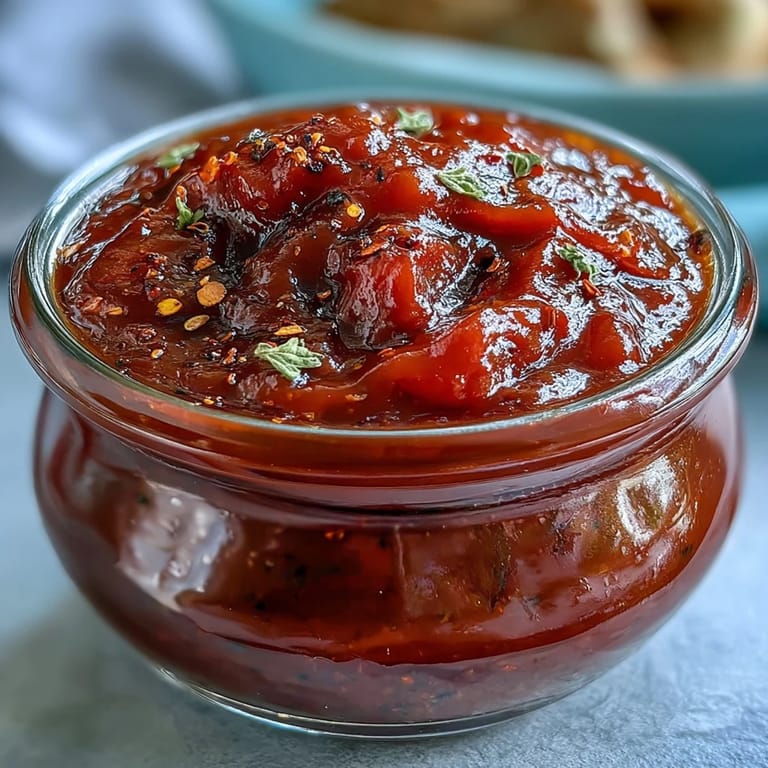
This sauce keeps in a clean glass jar in the refrigerator for two weeks, maybe a little longer if you've been careful with spoon hygiene. The flavors actually develop and deepen after a day or two, so making it ahead is smart planning, not something you're doing out of necessity.
Ways to Tweak It
If guava paste feels impossible to find where you live, guava jelly works just fine—just reduce the added brown sugar because jelly is sweeter. For heat, add more chili powder or a teaspoon of hot sauce instead of relying only on red pepper flakes. If it thickens more than you wanted, a splash of water brings it back to glaze consistency.
- For a thinner sauce that drips off the brush, add water a tablespoon at a time until it reaches your ideal consistency.
- Make it spicier without overpowering the guava by using a combination of chili powder and hot sauce instead of just one source of heat.
- Taste and adjust seasoning while the sauce is still warm—cold sauce reveals different flavors than warm sauce does.
 Zapisz
 This sauce turned me into the person who brings homemade condiments to cookouts, which is a weird identity to have but honestly a good one. It's the kind of thing that makes grilling feel intentional instead of just throwing food on heat.
Najczęściej zadawane pytania dotyczące przepisów
- → Czy mogę użyć dżemu z guawy zamiast pasty?
Tak, dżem z guawy świetnie zastępuje pastę. Pamiętaj, aby zmniejszyć ilość dodanego cukru, ponieważ dżem jest zazwyczaj słodszy od pasty.
- → Jak przechowywać gotowy sos?
Przechowuj w szczelnie zamkniętym słoiku w lodówce przez około 2 tygodnie. Przed użyciem zamieszaj, ponieważ składniki mogą się oddzielić.
- → Czy sos jest ostry?
Papryczka chili opcjonalnie dodaje lekkości. Jeśli wolisz łagodniejszą wersję, pomiń płatki chili. Bazowy sos jest bardziej słodko-kwaśny niż pikantny.
- → Do czego pasuje ten sos?
Idealny do grillowanych mięs wieprzowych i drobiu, ryb, krewetek, tofu, pieczonych warzyw oraz jako dodatek do burgerów i frytek.
- → Jak uzyskać gładszą konsystencję?
Użyj blendera ręcznego lub zwykłego blendera, aby rozdrobnić kawałki cebuli i czosnku. Jeśli sos jest za gęsty, dodaj łyżkę wody.